
Founding, Building, and Leaving Ardanis

Introduction
It has been a while since I exited Ardanis, the company I co-founded in Ireland back in 2016. Ardanis has since been acquired by Plain Concepts, and I wanted to write this piece to document the journey: the founding, the growth, the mistakes, the craft, and eventually, the exit.
How it all started
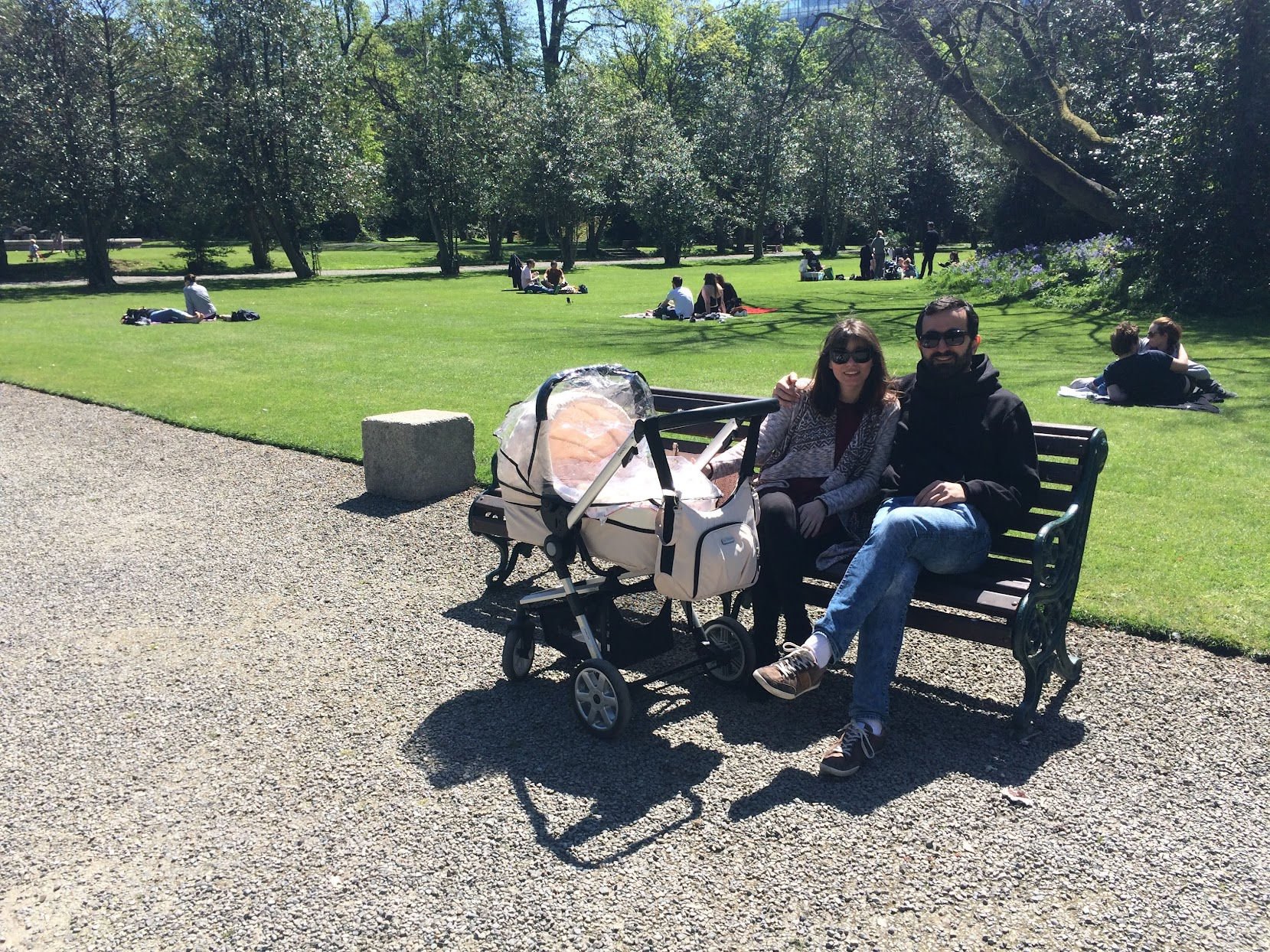
Back in 2016, a company that I had been working for in Dublin for a few years decided to close its Irish tech hub office and lay off a few hundred people, including some of my co-founders at the time. It happened so suddenly and abruptly that the company ended up without any people who actually knew how to operate its complex financial system. As such, an opportunity presented itself to spin up a consulting company and offer our services to our first big customer. I later discovered, while talking to many other founders, that the story of a big customer being an ex-employer is not quite novel, but rather a common scenario.
At the time, I was a Principal Software Engineer and Tech Lead for a small team. I had a multi-year record of developing functionality related to repayment schedules, financial reports for customers, and other fintech-related features. I was also very passionate about creating masterfully crafted software. A phrase that may make some of you cringe, but for me, the idea of becoming the equivalent of a lifelong blacksmith who learns the craft of software to the best of his ability became the fuel that kept me working on my craft for close to twenty years now.
The founding team
Ardanis was made up of five founders. Three Irish founders, one Chinese founder, and myself, a Greek founder. All of us were technical, with our experience spanning from tech lead to architect level. Needless to say, we knew very little about running a business. And for the first few years, we just kept at it, keeping the lights on, working in Georgian house basements, and hoping that someday we’d find a way to make this thing take off.
Clients
One of the first lessons I learned was about clients. We lacked a product, probably our biggest weakness, and as such, most of our revenue came from services. Landing clients beyond our network proved difficult for us for many years. For many years, our biggest clients came from our network. They came from people who knew who we were and what we were capable of building. The company was a software boutique, a term used to describe companies that charge above market rates, but most certainly lower than the likes of behemoths like Accenture. So, lesson number one: if you want to start a services company, your network is the fuel that gets you into orbit. But it will only get you so far before you need Stage 2: a real sales engine.
Beyond the network
So we realized that not every one of the co-founders could be involved full-time in delivery. Some of us would have to take on C-level roles and actually try to find new clients and run the business. My preference, as you might imagine, is to create software. So I decided not to pursue a C-level role, but rather to keep building teams from the ground up, have them deliver projects successfully, and move from client to client. Perhaps this wasn’t the greatest idea in terms of how it positioned me for a possible exit, but in terms of meaning, it was the most meaningful one for me.
Growth
Around COVID, we really started growing rapidly. We went from around 10 people to 20, 30, 40, and so on. Our network kept sending us bigger clients, and over time we’d get some outside our network, but most would be on the smaller scale. I don’t think my co-founders would agree, but in truth, we were a remote company. Working with people from many countries and tapping into the potential of remote work to get exceptional talent for our clients was a real boon that many companies weren’t really leveraging. That’s when I truly realized that remote work was here to stay. I also saw many of my ex-colleagues moving back to their countries, and since I had been working remotely for the company we were building in Ireland for many years, the idea of moving back to Greece and continuing started to take root. This was the second mistake in terms of my positioning for a possible exit. But also, one of the most meaningful decisions of my life, other than becoming a husband and a father to a loving family.
The value proposition
I think that every company needs a value proposition. How do you plan to do things differently in a market saturated by what you are about to offer, i.e., software consultancy services? Our answer to that, and it was what convinced me to participate, was that the software we’d build would be similar to the software we were building for the company that laid us off. Similar in quality, caliber, and so on. The question was very simple. Are there clients out there that want masterfully crafted software and are willing to pay for it? Or are all of them looking for cheap commodity software from low-cost outsourcing firms? Turns out, there are quite a few companies out there who need just that. Especially in domains where failure has consequences, financial or otherwise, you want to bring in people who won’t just talk the talk and simply deliver paperwork, ahem, but rather deliver on what they say! What a crazy idea, right?
The deliverable from Ardanis, thus, was not just software that worked. It was well-tested software that did precisely what the stakeholders asked. Teams running agile and providing incremental value without fluff. Automation in testing and CI/CD that meant that if Ardanis left that client tomorrow, they’d still have a button to press to test their changes and send them to production without an expert from us being irreplaceable to do this. So if you are curious whether there are companies that would pay for this sort of thing, then the answer is yes, there are companies. You just have to find each other.
Winning the IBEC Award
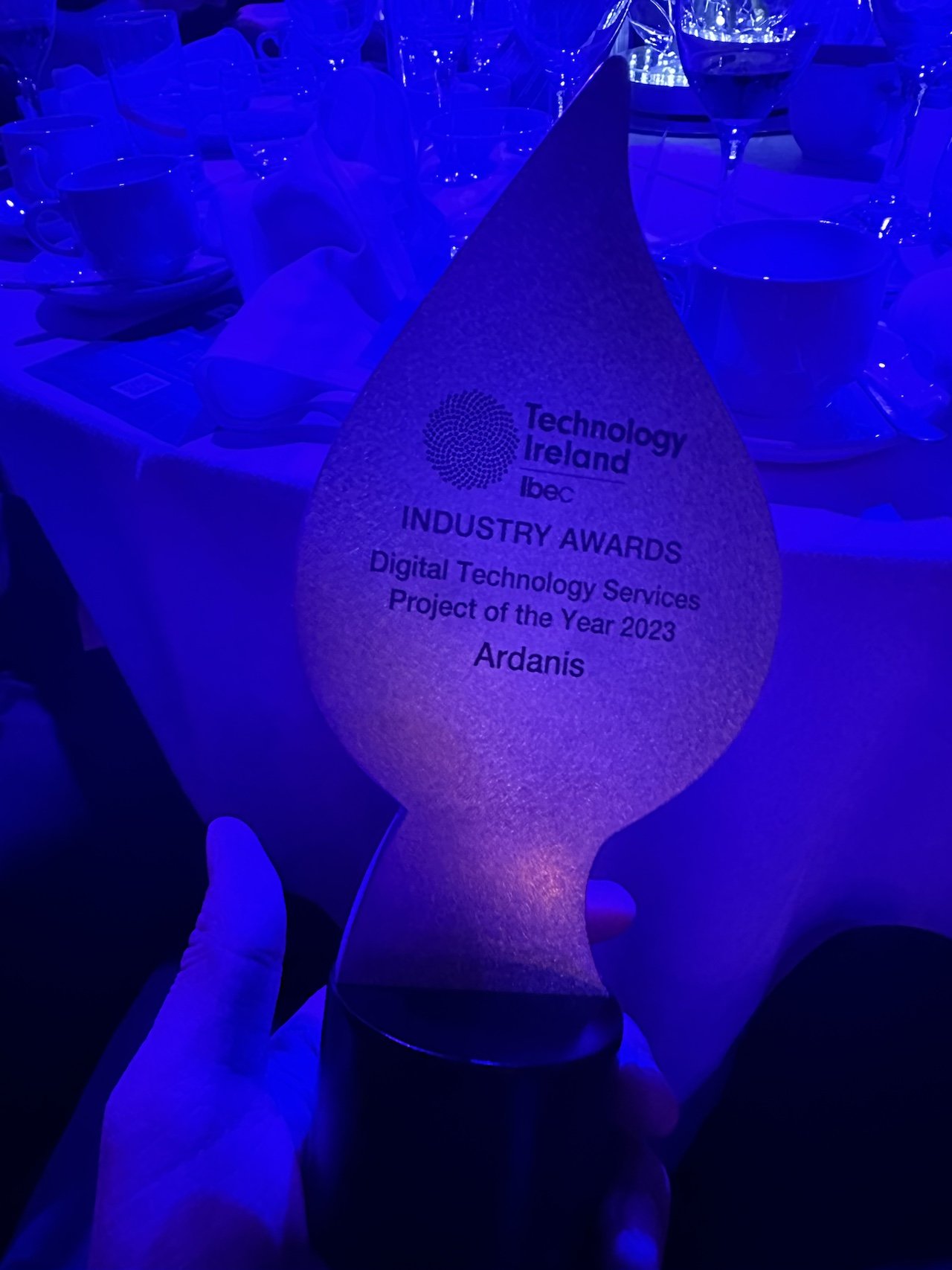
Perhaps the best team I built and ran was for a big client around 2021-2022. That team had something rare: trust, technical taste, momentum, and a client willing to let us do the job properly. Firstly, the camaraderie we had between us was great, our sense of craftsmanship was shared, and the client gave us buy-in to turn the thing around and deliver a product currently used in many locations across the world. That project was the one Ardanis put forward, and it won the IBEC Digital Technology Services Project of the Year in 2023. The company had other awards throughout the year, but this one was easily the best one we got, and it was quite unexpected that we won it!
The exit
By year eight, I could feel that my chapter with Ardanis was coming to an end. The company had grown, I had changed, and the life I wanted to build was no longer fully aligned with the role I had inside the business. Sometimes you make a clean, deliberate decision. Other times, life gives you a less elegant nudge. In my case, it was probably a bit of both.
So I exited.
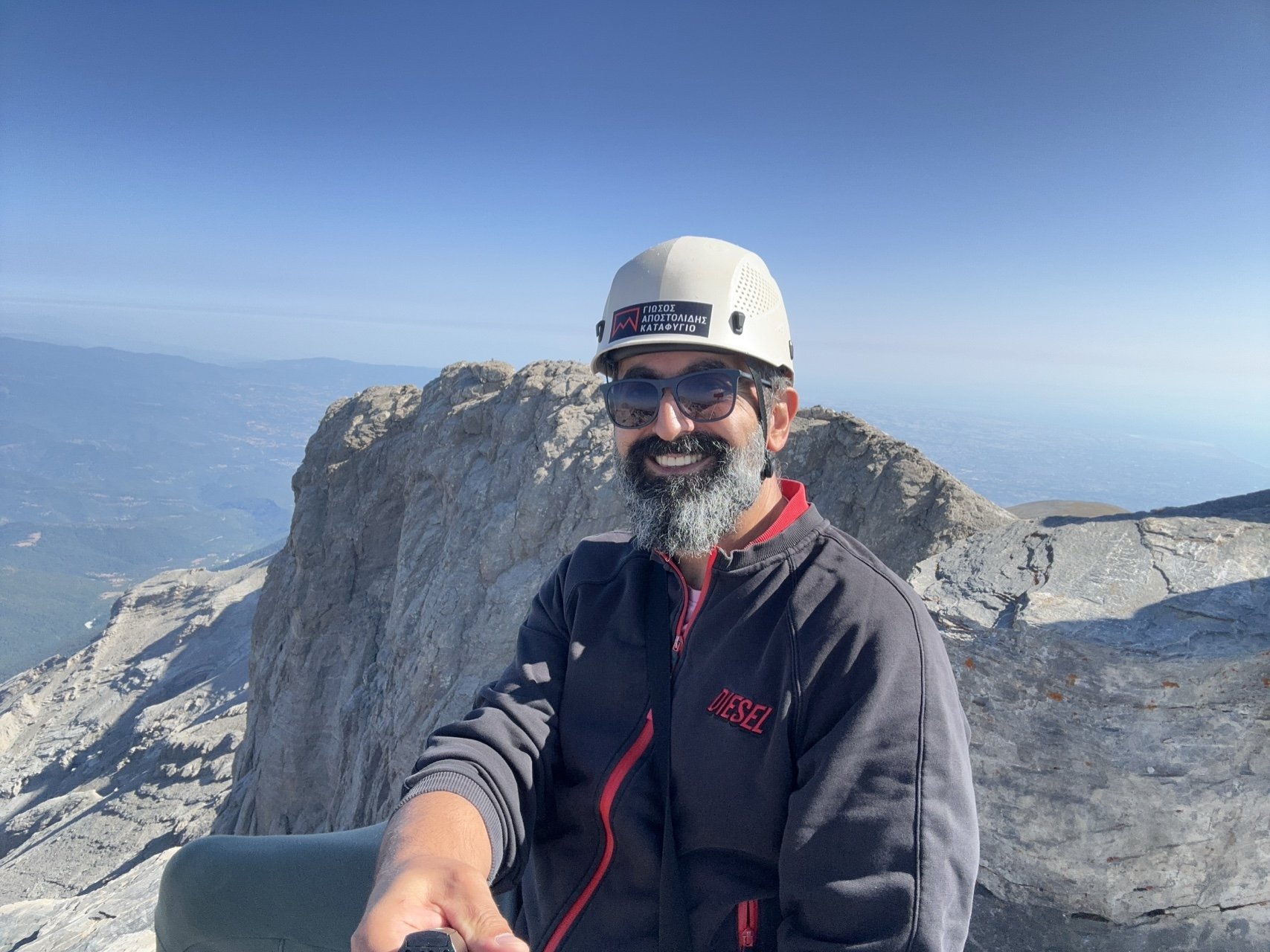
A few days later, I was scheduled to hike Mount Olympus.
Conclusion
If there is one thing I would like you to take from this story, it is this: following your craft seriously is rarely wasted effort. It may not always lead where you expected. It may not protect you from mistakes, difficult people, bad timing, or hard endings. But it gives you a compass.
As an engineer, I know how lucky I am to do work I genuinely enjoy while being paid for it.
If you start a company, choose your people carefully. Skill matters, but values matter more. A company is a long road, and you will eventually discover whether you are truly walking in the same direction.
And when you make mistakes, own them. At least they will be your own mistakes, not someone else’s.
Comments